
Garage Floor Coating Cost in Vermont (2026)
Stoutwell Garage Renovations · October 10, 2026 · 7 min read
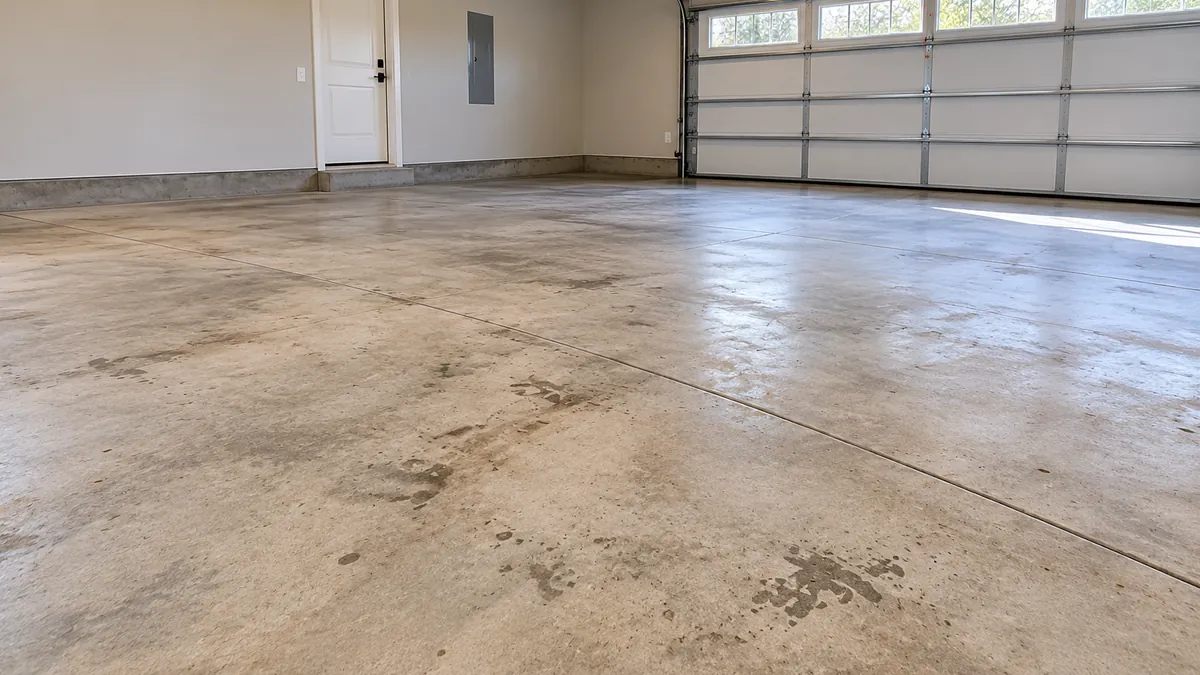
Our installed price for garage floor coating in Vermont runs $3 to $12 per square foot, so a standard two-car garage costs $1,200 to $4,800. In Vermont the question is often when, not how much: around Rutland the frost-free stretch usually runs only from mid-May to late September, and outside it an unheated garage may be too cold to coat.
At a glance:
- Our range in Vermont: $3 to $12 per square foot, installed.
- Burlington averages about 145 nights a year at or below freezing, and Rutland about 164.
- The first fall freeze comes around 15 October in Burlington and around 27 September in Rutland.
- The typical Vermont home was built in 1977, and 22 percent date from 1939 or earlier, so we check the slab for decades of stains, cracks and old sealer.
- Road salt rides into garages all winter; the state spread 125,000 tons of it in 2022.
- We measure the floor and test the slab for moisture.
What Does Garage Floor Coating Cost in Vermont?
Our Vermont price on four garage sizes, with what tends to decide each one here:
| Garage | Size | Our installed price | What usually decides it in Vermont |
|---|---|---|---|
| One-car garage | 12 by 20 feet, 240 sq ft | $720 to $2,880 | Oil stains and old sealer |
| Standard two-car garage | 20 by 20 feet, 400 sq ft | $1,200 to $4,800 | Crack repair and a topcoat that stands up to salt |
| Roomy two-car garage | 24 by 24 feet, 576 sq ft | $1,728 to $6,912 | Salt damage and slab prep |
| Three-car garage | 24 by 30 feet, 720 sq ft | $2,160 to $8,640 | Chipped joints and whether the garage is heated |
A heated garage on a 1990s slab, coated in one solid color in July, prices low. An unheated pre-1940 garage with salt-pitted concrete, chipped joints, old sealer and a full flake floor under a clear topcoat prices high. The national epoxy garage floor cost guide explains each line of a quote.
What Changes the Price of a Garage Floor in Vermont
A short season for anything that needs warmth. Burlington’s first fall freeze usually comes around 15 October and Rutland’s around 27 September, and spring’s last freeze holds on until about 29 April in Burlington and 15 May in Rutland. Some products will not cure on a floor colder than 50 degrees F, and others ask for at least 60 degrees in the air and on the floor. Mid-October mornings in Burlington are already colder than that, so fall jobs are timed with care, and that shows in the schedule and the system on your quote.
Freezing nights, a lot of them. Burlington averages about 145 nights a year at or below freezing, and St. Johnsbury about 162. Burlington also has 57 days a year when the high never gets above freezing. In an unheated garage, we check the slab temperature before booking a date, and the job either gets a heated cure or waits for spring.
Salt, every winter. Vermont’s transportation agency used 125,000 tons of dry salt in 2022, and Burlington gets about 87 inches of snow in a normal year. Salty slush drips off the car and dries white on the slab, and unsealed concrete can pit and flake under it. Where salt residue has built up, we clean it off before grinding, and the topcoat is chosen to stand up to salt.
Older slabs. The typical Vermont home was built in 1977, against 1981 nationally, and 22 percent of homes date from 1939 or earlier. A garage that old can carry patched concrete, oil worked deep into the surface and a sealer nobody remembers putting down, which may need grinding away. That is the prep line on your quote, and our concrete prep and repair page shows what it involves.
Meltwater and flooding. Months of snow slush puddle on the slab, and frozen ground and freezing rain can bring flooding. Tropical Storm Irene dropped 3 to 7 inches of rain in under 18 hours in 2011, flooding southern and eastern Vermont. A garage that took water then, or takes spring melt every April, gets its moisture test before the price is set, because a coating laid over a wet slab can peel. If it reads wet, the system on your quote may change.
Valley, Hill and Mountain Vermont: Timing the Job
Champlain Valley. Burlington is milder, with its last spring freeze near 29 April and its first fall freeze near 15 October. That gives a wider season, roughly May through early October, and July mornings are mild.
Rutland County and the Northeast Kingdom. Rutland and St. Johnsbury both run 160 or more freezing nights and a last spring freeze in mid-May. The season narrows to about late May through September, and a cold, wet June can eat part of it.
Higher ground. High on Mt Mansfield, the weather station averages about 198 freezing nights, about 235 inches of snow and a few freezes even in summer. Anywhere up in the hills, ask how the install date will follow the forecast, because a surprise overnight freeze can ruin a cure. Vermont also gets false springs, a warm spell in March or April followed by snow and freezing rain into June, so do not book on the first warm week.
Vermont’s $10,000 Registration Line and Other Checks
Vermont law requires a contractor to register with the Office of Professional Regulation before taking residential work for more than $10,000 in labor and materials. Ask the Office whether your project needs a registered contractor, and look up any installer on the state’s registry before you sign. The Attorney General’s office advises getting everything in writing and keeping any deposit modest.
Whoever you pick, us included, ask for these in writing:
- Whether the slab will be diamond ground, and how salt residue gets cleaned off first.
- The day of the moisture test and the plan if it reads wet.
- The product by name, plus the lowest floor and air temperature it allows.
- What happens to cracks, control joints and the step at the door.
- How many coats go down, and which one is the topcoat that faces the salt.
- How long before you can walk on it and before the car goes back in, and on a new build, how long the concrete has cured.
Frequently Asked Questions
How much does a garage floor coating cost in Vermont?
Our installed price for garage floor coating in Vermont runs $3 to $12 per square foot. That makes a 20 by 20 foot two-car garage $1,200 to $4,800. Salt damage, the age of the slab, the system you choose and whether the garage is heated decide your number.
When is the best time of year to coat a garage floor in Vermont?
Late May through September is the safest stretch. Burlington’s last spring freeze usually comes around 29 April and its first fall freeze around 15 October, and Rutland’s season is shorter, about 15 May to 27 September. Summer mornings are mild, so in Vermont the cold in spring and fall matters more than summer humidity.
Can you coat a garage floor in a Vermont winter?
Only if the slab and the air can be kept warm for the whole cure. Some data sheets set a 50 degree F floor minimum and others 60 degrees, and Burlington averages 57 days a year when the high stays at or below freezing. A heated garage can work; an unheated one may wait for spring.
Does road salt damage a garage floor in Vermont?
Bare concrete takes the hit. Salty slush drips off cars all winter, and the state’s highway crews spread 125,000 tons of dry salt in 2022 alone. A coated floor rinses clean and keeps the salt out of the concrete, so ask which topcoat a quote includes.
Do I need a registered contractor to coat my garage floor in Vermont?
State law requires a contractor to register with the Office of Professional Regulation before contracting to perform residential construction for more than $10,000. Ask the Office whether your project needs a registered contractor. Either way, you want a written quote, a modest deposit and the product named in writing.
Get a Garage Floor Quote in Vermont
We measure, test the slab for moisture and write up your price. Request a free quote.
Want Advice on Your Own Floor?
A guide can explain the options. A free quote tells you what your slab needs.
 Cost
Cost to Coat a 2-Car Garage Floor
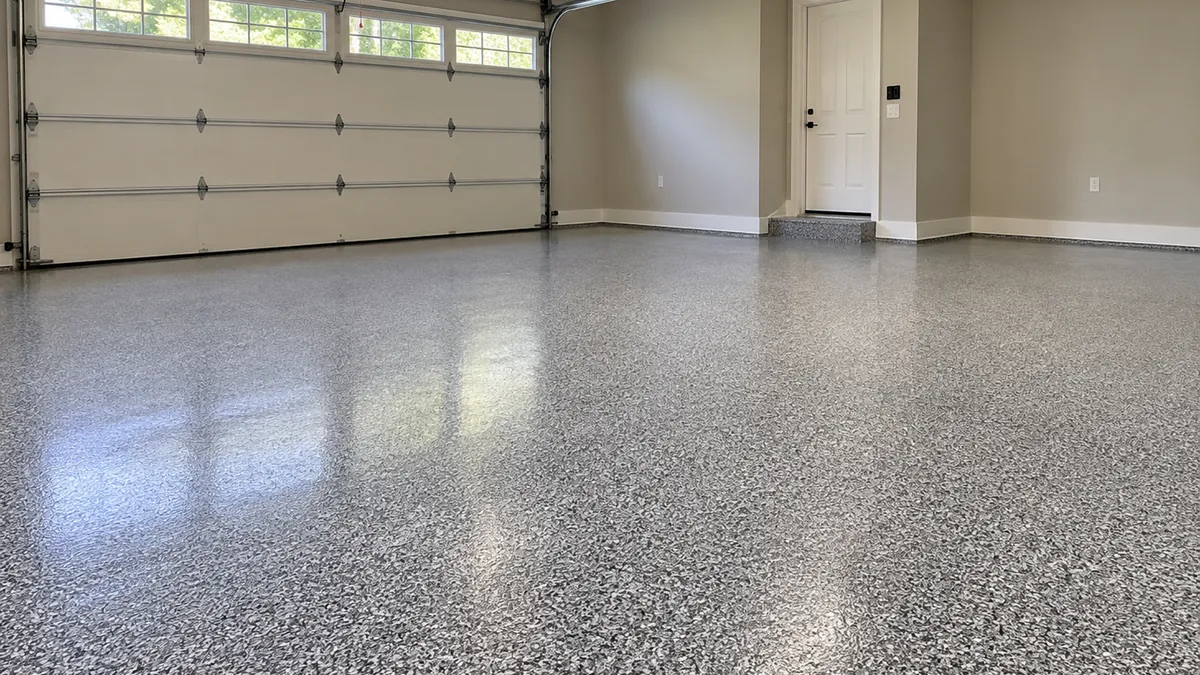
Our installed price to coat a 2-car garage floor runs $1,200 to $4,800 on a 20 by 20 foot slab. Totals by garage size, and what moves yours.
Cost Epoxy Garage Floor Cost: What Changes a Quote
Epoxy garage floor cost: our installed price is $3 to $12 per square foot. Totals by garage size, and how slab prep, moisture and the system move a quote.
Guide Best Garage Floor Coating for Your Home
The best garage floor coating depends on how you use the garage. Flake, solid color epoxy, metallic and polyaspartic ranked by use, with a side by side table.
Ready for a Free Quote?
Get a free, no-obligation quote for your garage floor in Vermont.
Get Your Free QuoteOr call us directly: (919) 219-2946