
Garage Floor Coating Cost in Kansas (2026)
Stoutwell Garage Renovations · October 10, 2026 · 7 min read
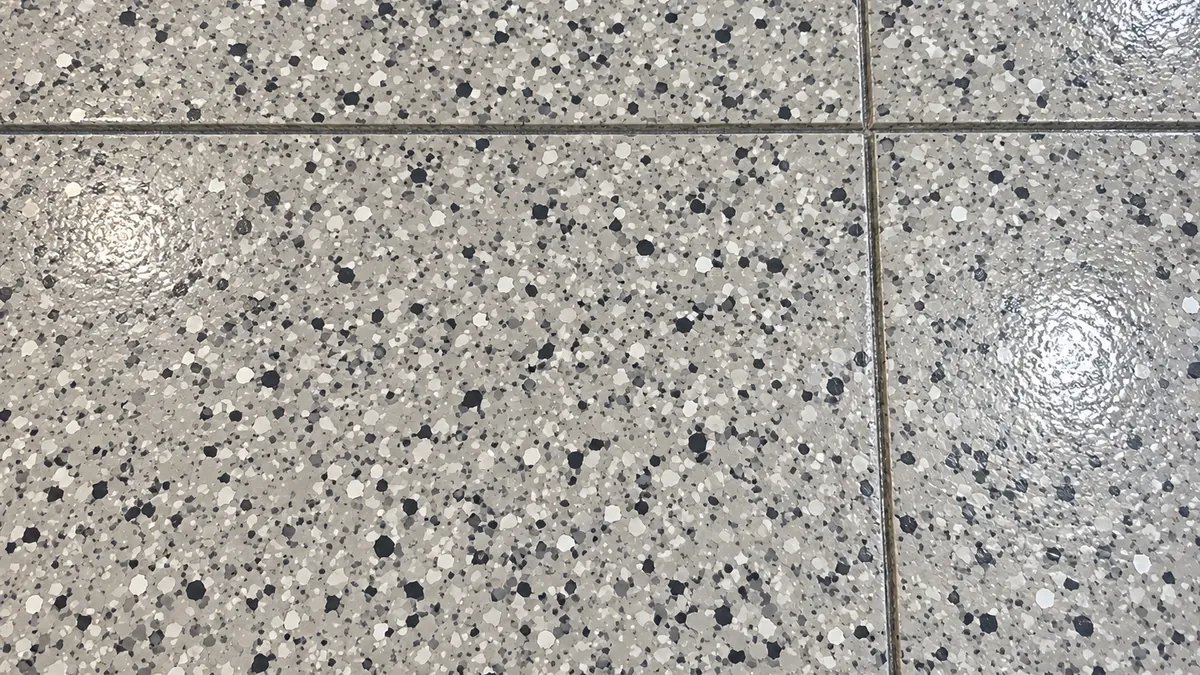
Our installed price for garage floor coating in Kansas runs $3 to $12 per square foot, so a standard 400 square foot two-car garage comes to $1,200 to $4,800. The spread inside that range comes from the slab more than the paint: clay ground that heaves and shrinks, a winter of KDOT salt brine on the tires, and summer air that is damp at dawn in Topeka and dry in Goodland.
At a glance:
- Swelling clay soils in parts of Kansas heave and shrink from season to season, cracking foundations, driveways and sidewalks.
- Summer mornings in eastern Kansas are muggy, so July jobs there start once the slab has warmed.
- Goodland averages about 157 nights a year at or below freezing; Wichita, about 103.
- The typical Kansas home was built in 1976, and in Wyandotte County in 1960.
What Does Garage Floor Coating Cost in Kansas?
We measure the floor, test the slab, then add prep and the coating system:
| Garage | Size | Our installed price | What tends to push it up in Kansas |
|---|---|---|---|
| One-car garage | 12 by 20 feet, 240 sq ft | $720 to $2,880 | Old sealer or stains on a pre-1980 slab |
| Standard two-car garage | 20 by 20 feet, 400 sq ft | $1,200 to $4,800 | Clay cracks along the control joints |
| Roomy two-car garage | 24 by 24 feet, 576 sq ft | $1,728 to $6,912 | Salt residue and a chemical-resistant topcoat |
| Three-car garage | 24 by 30 feet, 720 sq ft | $2,160 to $8,640 | More crack footage and a longer install day |
A Johnson County slab from around 1990 with tight joints, in one solid color, prices near the low end. A Wyandotte County floor from the 1960s with clay cracks to fill, salt to wash out and a full flake broadcast under a clear topcoat prices near the high end. Our national epoxy garage floor cost guide walks through each of those lines.
What Makes a Kansas Garage Floor Cost More or Less
Clay that moves under the slab. The Kansas Geological Survey describes clay deposits that soak up water and swell, then dry out and shrink, so the ground heaves from season to season and cracks foundations, driveways and sidewalks. A garage slab poured on that ground may show cracks at the joints and corners. Hairline cracks get routed, filled and ground flat. A crack with one edge higher than the other can mean the ground is still moving, and we tell you so before quoting rather than hiding it under chips. Our concrete prep and repair page lays out that work, and it shows up as the crack and joint line on your quote.
Brine on the tires. KDOT sprays salt brine on bridge decks to keep frost off, wets its rock salt with brine as the trucks spread it, and lays brine on roads ahead of a snowstorm so the snow does not bond. Some of that drips off your car onto the garage floor, and residue left on the slab can weaken the bond of anything laid over it. We give a salty slab a cleaning pass before grinding, and the topcoat matters too. Our comparison of epoxy and polyaspartic floors covers why that clear top layer counts here.
Muggy summer mornings in the east. Around Topeka and Wichita, a mid July sunrise is warm and sticky. Some data sheets ask for a slab at least 5 degrees F over the dew point, with humidity at 85 percent or lower, and note that concrete can run cooler than the air around it. So in northeast Kansas a summer job starts once the concrete has warmed past that line, not at first light.
Older houses. The typical Kansas home was built in 1976, and Wyandotte County’s in 1960. Decades of oil drips, a worn sealer from a past owner and patched spalls may need to come off before a new coat goes down, which is the prep line on the quote. Johnson County homes, typically built around 1990, can mean less of that work.
East and West Kansas: Timing the Coating
Kansas is two climates in one state. NOAA’s state climate summary describes more than 45 inches of rain and snow a year in the southeast, falling to under 20 inches in the west, and the garage calendar follows that line.
Kansas City suburbs, Topeka and Lawrence. Topeka gets about 37 inches of rain and snow and about 114 freezing nights a year. Frost usually ends around 12 April and returns around 23 October. Summer is the damp season here, so July and August jobs are timed around the humidity, and the moisture test carries real weight. Late spring and early fall are often the easier windows in the northeast.
Wichita and south central Kansas. In Wichita the last freeze usually comes around 11 April and the first around 29 October, with about 103 nights a year at or below freezing. It also sees about 65 days a year at 90 degrees F or hotter. Hot afternoons can shorten a coating’s working time, so we plan morning coats and choose products with the heat in mind.
Western Kansas: Dodge City to Goodland. Out west the air dries out, with summer mornings less muggy and rain and snow falling to about 22 inches a year at Dodge City and about 19 at Goodland. The trade-off is cold. Goodland averages about 157 freezing nights and about 30 inches of snow a year, with the first fall freeze usually around 11 October. Some products warn against coating while the slab is warming, since pinholes can form, so on a winter job we read the slab and pick the hour instead of chasing the afternoon peak. Dry air does not mean a dry slab, and the moisture test still runs.
In the east, our Lawrence page covers Douglas County and the towns between Topeka and the Kansas City suburbs. In south central Kansas, we put down garage floor coatings around Hutchinson, northwest of Wichita, across Reno, Harvey and McPherson counties.
Before You Hire a Garage Floor Installer in Kansas
In Kansas, contractor licensing runs through local offices, so the check depends on your address. Johnson County runs a Contractor Licensing program with 11 license types and a public search for licensed contractors. In Wichita and unincorporated Sedgwick County, the Metropolitan Area Building and Construction Department licenses general and trade contractors and answers licensing questions at 316-660-1840. Wherever you live, ask your city or county building office whether a floor coating needs a licensed contractor or a permit, then look the installer up.
Then get these in writing from anyone you are comparing, us included:
- How the slab will be tested for moisture, and what happens if it reads wet.
- How cracks and control joints will be repaired, and which ones are flagged as moving.
- The product by name, with its dew point margin, humidity limit and minimum temperature.
- How long before you walk on the floor and how long before you park on it.
Frequently Asked Questions
How much does a garage floor coating cost in Kansas?
Our installed price for garage floor coating in Kansas runs $3 to $12 per square foot. On a 20 by 20 foot two-car garage that works out to $1,200 to $4,800. Crack repair on a clay-stressed slab, salt residue, the moisture reading and the finish you pick decide where yours lands.
Why does my Kansas garage floor keep cracking?
Parts of Kansas sit on clay that swells when wet and shrinks when dry, and the Kansas Geological Survey links that cycle to cracked foundations, driveways and sidewalks. A garage slab rides the same ground. We fill stable cracks before coating, and we point out any crack that has lifted on one side, since a coating cannot stop the slab from moving.
When can you coat a garage floor in western Kansas?
In an unheated garage, the easiest weeks to book fall between the last spring freeze and the first fall freeze. In Goodland those usually come around 2 May and 11 October, and in Dodge City around 21 April and 20 October. A heated garage widens that window.
Does road salt damage a garage floor in Kansas?
KDOT lays salt brine on roads before storms, prewets the salt it spreads and treats bridge decks against frost, so wet tires carry salt water into the garage. If residue is on the slab, we clean it out before grinding. A topcoat built to be rinsed off is worth asking about.
How much does it cost to epoxy a two-car garage in Kansas?
Our installed price for an epoxy or flake floor on a 20 by 20 foot two-car garage in Kansas runs $1,200 to $4,800, and on a 24 by 30 foot three-car garage $2,160 to $8,640. On a two-car floor in Kansas, what tends to decide it is clay cracks along the control joints.
Get a Garage Floor Quote in Kansas
We measure the floor and test the slab before giving a written number. Request a free quote.
Want Advice on Your Own Floor?
A guide can explain the options. A free quote tells you what your slab needs.
 Cost
Hutchinson, KS Garage Floor Coating Cost
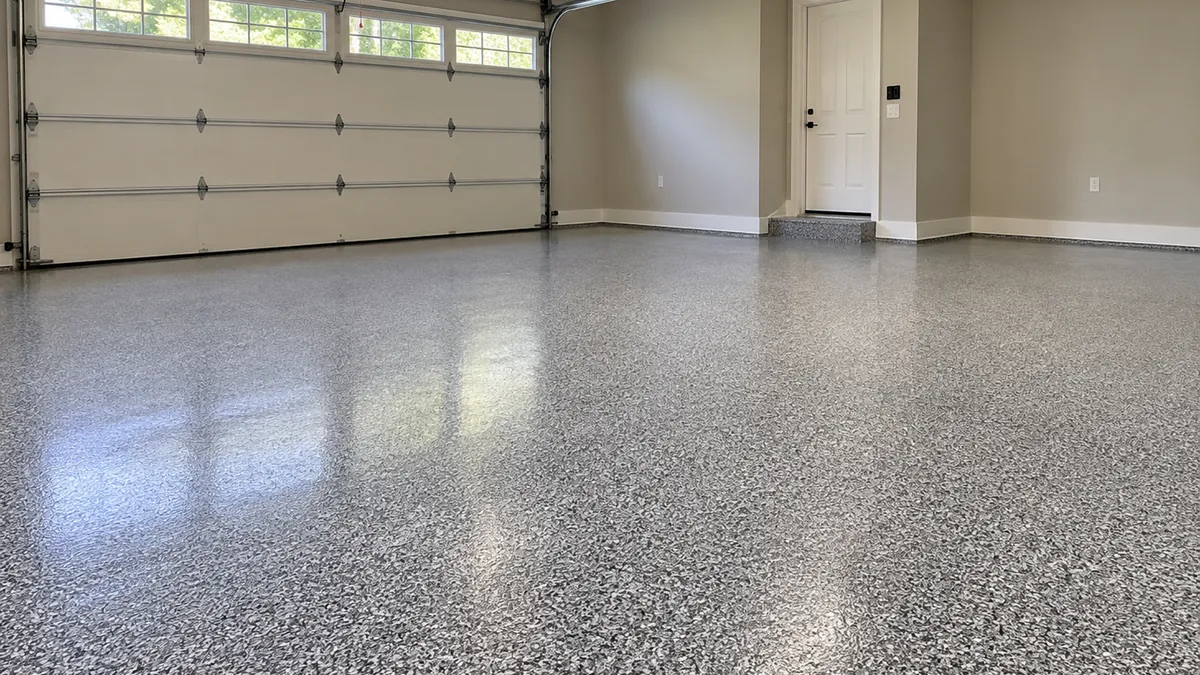
Garage floor coating cost in Hutchinson, KS: two-car and three-car totals, what raises or lowers a quote and which finish hides dust. Request a free quote.
 Cost
Cost to Coat a Garage Floor in Lawrence, KS: Reading a Quote Line by Line
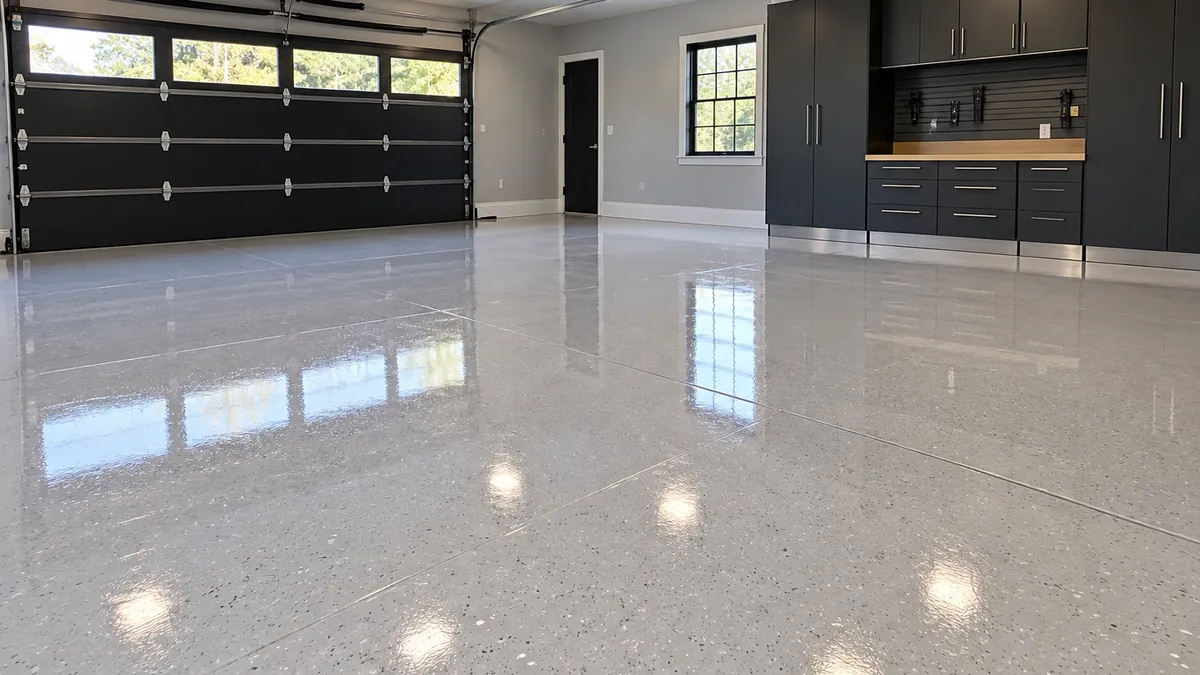
Our installed price in Lawrence, KS runs $3 to $12 per square foot. See a 400 and a 576 square foot garage side by side and what each quote line means.
Cost Cost to Coat a 2-Car Garage Floor
Our installed price to coat a 2-car garage floor runs $1,200 to $4,800 on a 20 by 20 foot slab. Totals by garage size, and what moves yours.
Ready for a Free Quote?
Get a free, no-obligation quote for your garage floor in Kansas.
Get Your Free QuoteOr call us directly: (919) 219-2946