
Epoxy Garage Floor Downsides, Answered
Stoutwell Garage Renovations · November 14, 2026 · 8 min read
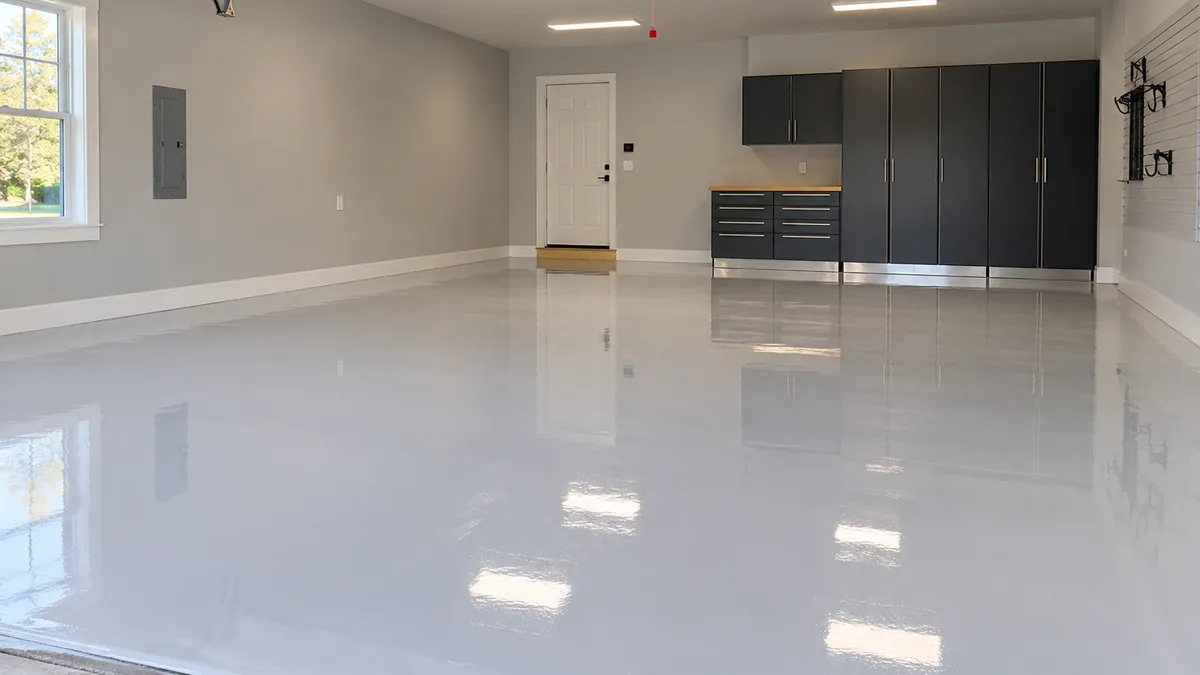
The main downsides of an epoxy garage floor are hot tire pickup, yellowing in sunlight, peeling on a damp slab, a slick surface when wet, and a wait of a few days before you can park. They are real, and they are also mostly avoidable: nearly every one starts with thin product or concrete that was never properly prepared. Our installed price for garage floor coating is $3 to $12 per square foot, and that price includes the grinding and moisture testing that prevent most of these problems. Your own number comes from a free written quote.
Below, each downside in turn: what causes it, how you would notice it, and what we do about it.
Hot Tire Pickup
Hot tire pickup is when a section of coating lifts off the floor and sticks to a tire. You pull in after a long drive on a summer day, the tires sit on the floor while they cool, and the next morning there is a bare patch of concrete where the coating used to be.
Two things are happening. A hot tire softens the surface it rests on, and as the rubber cools it contracts and grips. If the coating is thin, or if it is only lying on the slab instead of being bonded into it, that grip is stronger than the bond and the coating comes up with the tire.
What we do about it: we grind the slab with diamond tooling so the base coat soaks into open concrete and locks in, rather than resting on a smooth top layer. We build the floor in layers instead of one thin coat, and we tell you plainly when you can park on it, because parking on a coating that has not fully cured is one of the fastest ways to cause pickup.
Yellowing in Sunlight
Many epoxies take on a yellow or amber tint with time when sunlight reaches them. Inside a closed garage it may barely show. On a floor where the door stays open for hours, or where a window throws sun across the slab, the change appears first near the door and is easiest to see on white, light gray and other pale colors.
The yellowing is a surface change in the resin, not a sign the floor is failing, but it can make a fresh floor look tired.
What we do about it: we look at how much sun your floor gets before choosing the system. Where it matters, we finish with a polyaspartic clear coat, which holds its color in sunlight far better than epoxy and protects the color or flake beneath it. How the two resins differ is covered in our epoxy vs polyaspartic guide.
Moisture Coming Up Through the Slab
Concrete is porous. A slab poured on damp ground, or one without a good barrier under it, can push water vapor up toward the surface. A coating sealed over that slab traps the vapor, and the pressure shows up as blisters, bubbles, or patches that let go and peel.
You often cannot tell by looking. A slab can appear dry and still carry enough moisture to cause trouble months after the job.
What we do about it: we test the slab for moisture before any product goes down. If the reading is high, we explain what it means for your floor and adjust the prep and the system before coating, rather than finding out after it lifts. It is part of concrete prep and repair on every job.
Poor Prep Behind Most Failures
Ask anyone whose garage floor peeled within a year, and the story usually includes a cleaner, an acid wash, or no prep at all. Concrete has a smooth, weak top layer, and it often carries oil, sealer, old paint or tire residue. Coating over that is like painting over dust.
Prep is also where cracks, pits and chipped joints get dealt with. Left alone, they show through the finish and can become the place where peeling starts.
What we do about it: prep is the main part of our work, not a step we rush. We grind the whole floor, take off old coatings and stains, repair cracks and damaged areas, and only then start the base coat. This is also why we price each floor after seeing it, since slabs differ most in how much prep they need.
A Slick Surface When Wet
A smooth, glossy epoxy floor can be slippery when it is wet. Rain blowing in under the door, snow melting off a car, or a spilled drink near the entry step are the usual times you notice. Dry, the surface grips well enough for normal walking.
What we do about it: a flake coating gives the floor texture underfoot, and a fine anti-slip grit can be mixed into the clear coat for extra grip where people walk in and out. We talk about how you use the garage, and who uses it, before settling the finish.
Time Before You Can Use the Floor
An epoxy floor is not usable the same afternoon. Foot traffic usually has to wait a day, and cars longer, often several days, depending on the product and the temperature. If you need the garage back quickly, that downtime is a real cost.
What we do about it: we give you the timeline before the job is booked, so you can plan where the cars and the storage go. A polyaspartic system cures faster, so on some floors it shortens the wait. Our guide on how long garage floor coating lasts covers why giving it that full cure pays off later.
Cold Weather and Install Timing
Most epoxies need the slab and the air to stay comfortably warm while they cure. In a cold, unheated garage the coating can cure slowly or unevenly, and a job may have to wait for milder weather.
What we do about it: we check the slab temperature and the forecast before scheduling, and in cooler months we can use a system rated for lower temperatures or wait for a better window. We would rather move a date than put down a coating that will not cure properly.
Chips, Scratches and Repairs
A dropped wrench, a jack stand dragged across the floor, or a heavy toolbox on small wheels can chip or scratch a coating. Epoxy is hard, not indestructible. A solid color floor also shows a repair more than a flake floor does, since a patch has to match one flat color exactly.
What we do about it: for garages that see tools and projects, we often suggest flake, which hides small marks and makes a touch-up blend in. A clear topcoat adds a wear layer over the color, so light scratches stay in the top coat rather than the color itself.
If you are weighing epoxy against another finish, our guide to the best garage floor coating ranks the options by how the garage is used.
Downsides at a Glance
| Downside | What usually causes it | How we address it |
|---|---|---|
| Hot tire pickup | Thin coat, weak bond, parking too soon | Diamond grinding, layered system, clear cure timeline |
| Yellowing | Sunlight on an epoxy surface | Polyaspartic clear coat where sun reaches the floor |
| Blisters and peeling | Moisture in the slab | Moisture test before coating |
| Early failure | Little or no prep | Full grind, repairs, stain and coating removal |
| Slick when wet | Smooth, glossy finish | Flake texture or anti-slip grit in the clear coat |
| Downtime | Cure time | Timeline set before booking |
When Epoxy Is Not the Right Answer
Sometimes the honest answer is that a floor needs something different. A slab with a severe moisture problem, a floor that is breaking up, or a garage that bakes in afternoon sun with the door open may call for a different system or more repair first. We would rather tell you that before the job than after it. Some readers decide the downsides tip the balance, and our page on whether garage floor coating is worth it walks through that decision.
FAQ
What is the downside of an epoxy garage floor?
The common ones are hot tire pickup, yellowing where sunlight reaches the floor, peeling or blistering on a damp slab, a slick surface when wet, and a few days before you can park. Nearly all of them trace back to thin product or skipped prep, which is why we grind and moisture test every slab first.
Why does epoxy peel off a garage floor?
Usually because it never bonded well. Coating rolled onto a smooth, dusty or oily slab sits on top instead of gripping, and moisture pushing up through the concrete can lift it further. Hot tires then pull the weak spots loose. Diamond grinding and a moisture test before coating are the fix.
Does epoxy turn yellow in a garage?
Epoxy can take on a yellow or amber tint with sunlight, which shows most near the door and on light colors. Where sun reaches the floor, we can finish with a polyaspartic clear coat, which holds its color in sunlight far better.
Is an epoxy garage floor slippery?
A smooth, glossy coat can be slick when wet, from rain, snowmelt or a spill. A flake finish adds texture, and a fine anti-slip grit can be mixed into the clear coat for more grip near doors and steps.
Can you fix hot tire marks on an epoxy floor?
Light marks often clean off. If the tires have pulled the coating up, the bond failed underneath, and the lifted area has to be ground back and recoated. Patches can show, so getting the bond right the first time matters most.
Is epoxy still a good choice for a garage floor?
Yes, when it goes onto a properly ground, dry slab and is topped with a coat suited to the garage. Most of the downsides people read about belong to thin coatings on unprepared concrete, not to a well built system.
Next Step
Every downside on this page is easier to prevent than to repair. Our installed price is $3 to $12 per square foot, with grinding, repairs and the moisture test built in, and the pricing page shows what goes into it. To see what your own slab needs and what it would cost, request a free quote. You can also read about each finish we install on our services page.
Want Advice on Your Own Floor?
A guide can explain the options. A free quote tells you what your slab needs.
 Guide
Best Garage Floor Coating for Your Home
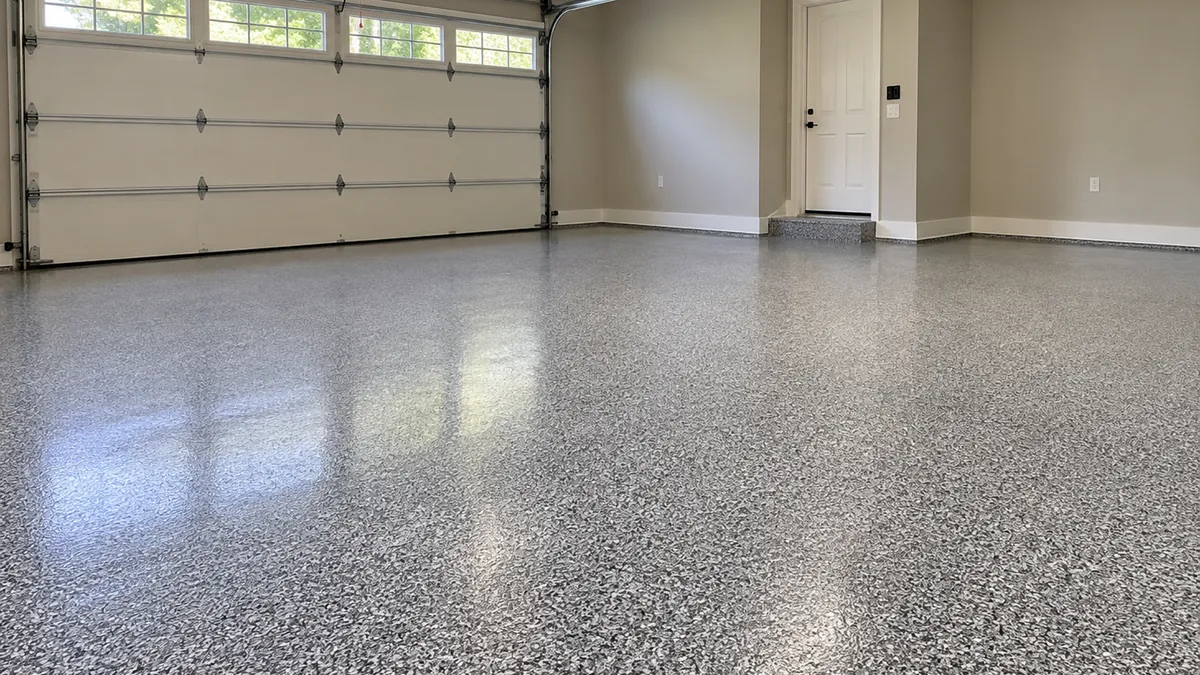
The best garage floor coating depends on how you use the garage. Flake, solid color epoxy, metallic and polyaspartic ranked by use, with a side by side table.
 Guide
Can You Coat Over Old Epoxy or Floor Paint?
Repainting an epoxy floor works when the old coat is still bonded. When old epoxy or garage floor paint must be ground off first, and how to check your floor.
 Guide
Garage Floor Coating Colors: How to Choose
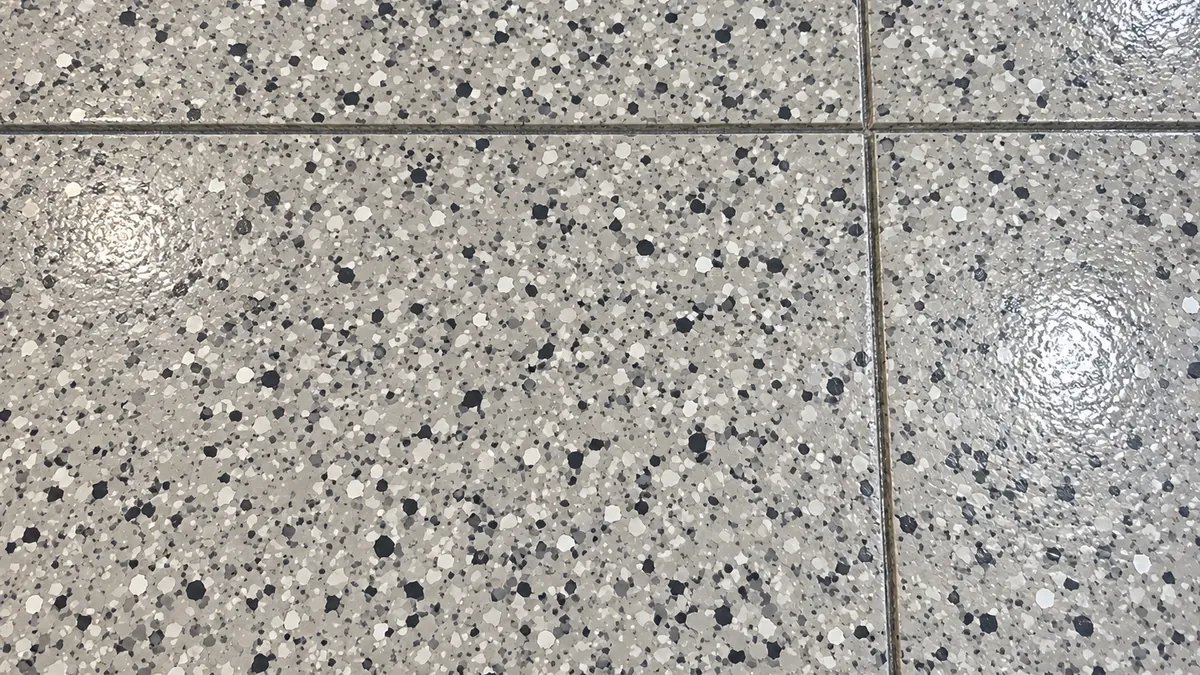
How to choose garage floor coating colors: flake blends, solid colors and metallic tones, what hides dust and tire marks, light, sun and matching the house.
Ready for a Free Quote?
Get a free, no-obligation quote for your property.
Get Your Free QuoteOr call us directly: (919) 219-2946